
Pest Management Monitoring
By Gibbon Simmons, Conservation Delivery Specialist, KS
Imagine, you sprayed brush earlier this year. You’ve been home for the holidays trying to enjoy quality time with the family, but you can’t help wondering if your chemical treatment was successful. Finally, you get a chance to run to the ranch because you’ve just got to know. At first glance, the brush looks dead. Satisfied, you head home, feeling confident in your work.
Did you know there is an easy way to determine if brush is still living after a control treatment? Next time you’re monitoring your progress, try peeling some bark off the stems, like you would peel a carrot or a potato. If it’s green, it’s still alive.
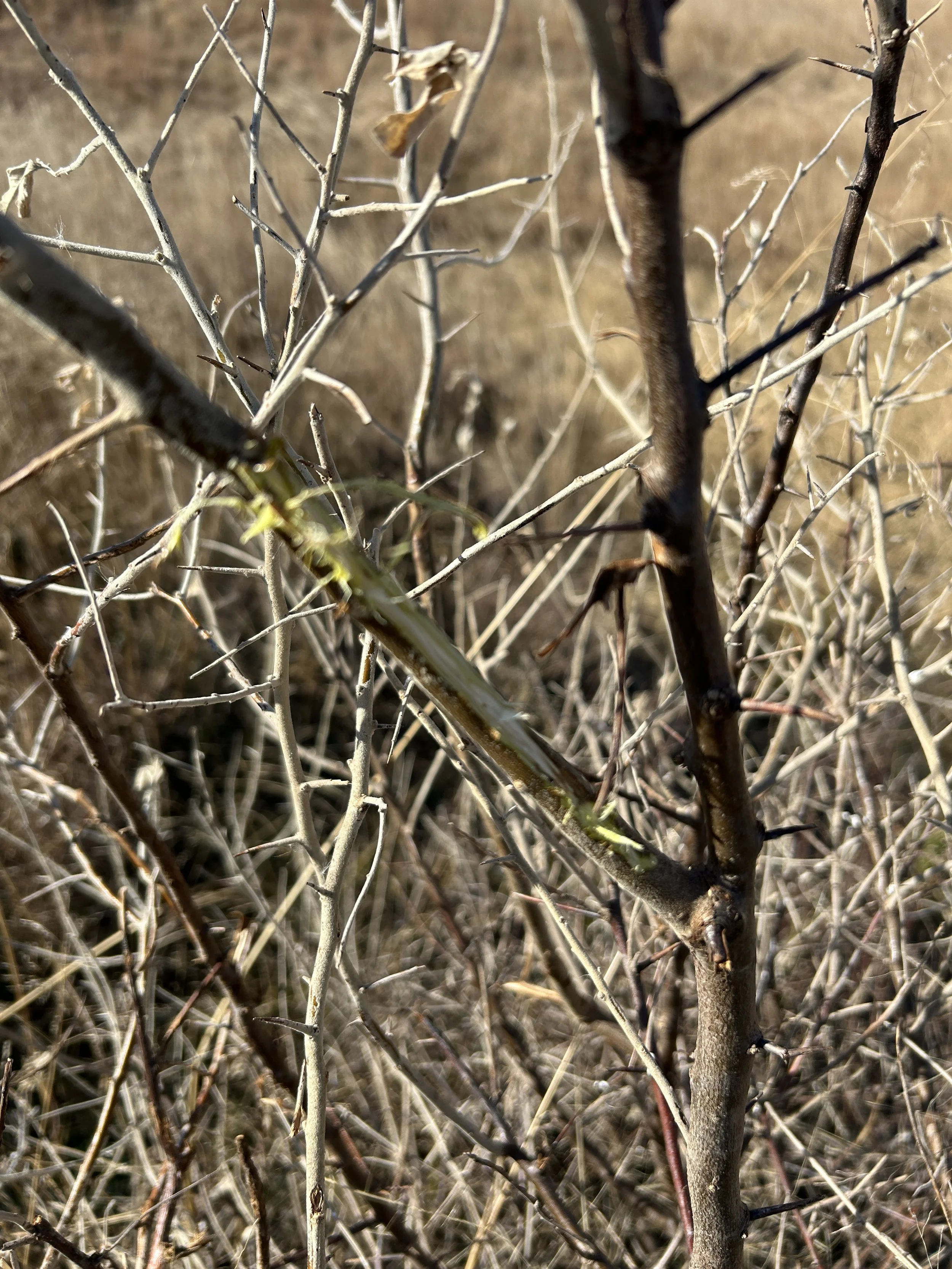
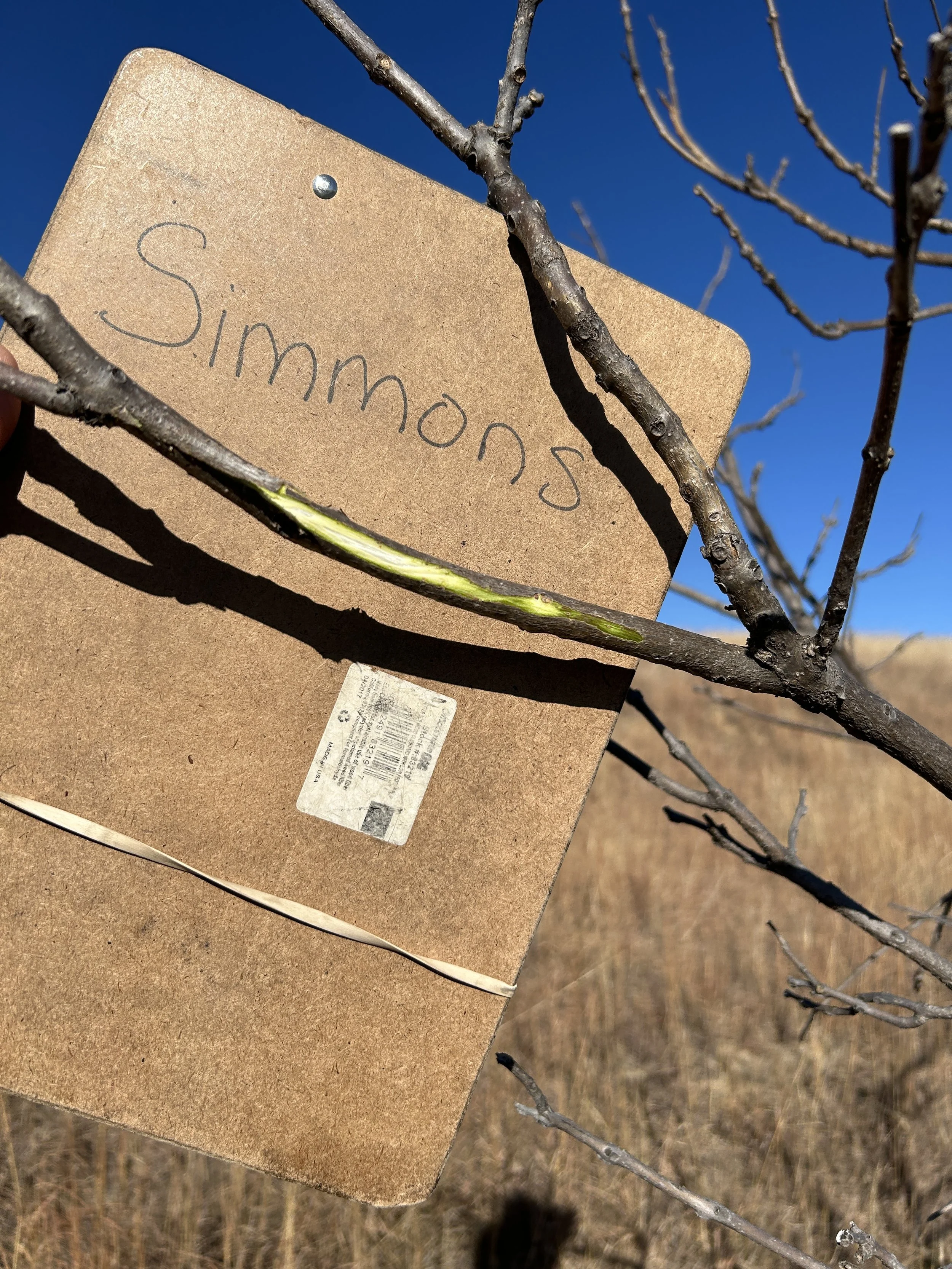
Frustration is expected when you find brush still living; however, take some good notes while you’re there. Where are the live trees located? What species are still alive? What stage of life (immature or mature)? The answers to these questions will help guide future treatments.
Monitoring progress in pest management is rewarding when you see for yourself how much you’ve improved grassland habitat. Monitoring should be as routine as checking fences. The land is always changing, offering a new game of “eye spy” for those ready to play.