
The Gypsum Hills: A Core for Grassland Conservation
By Nathan Tavaglione, Conservation Delivery Specialist, KS
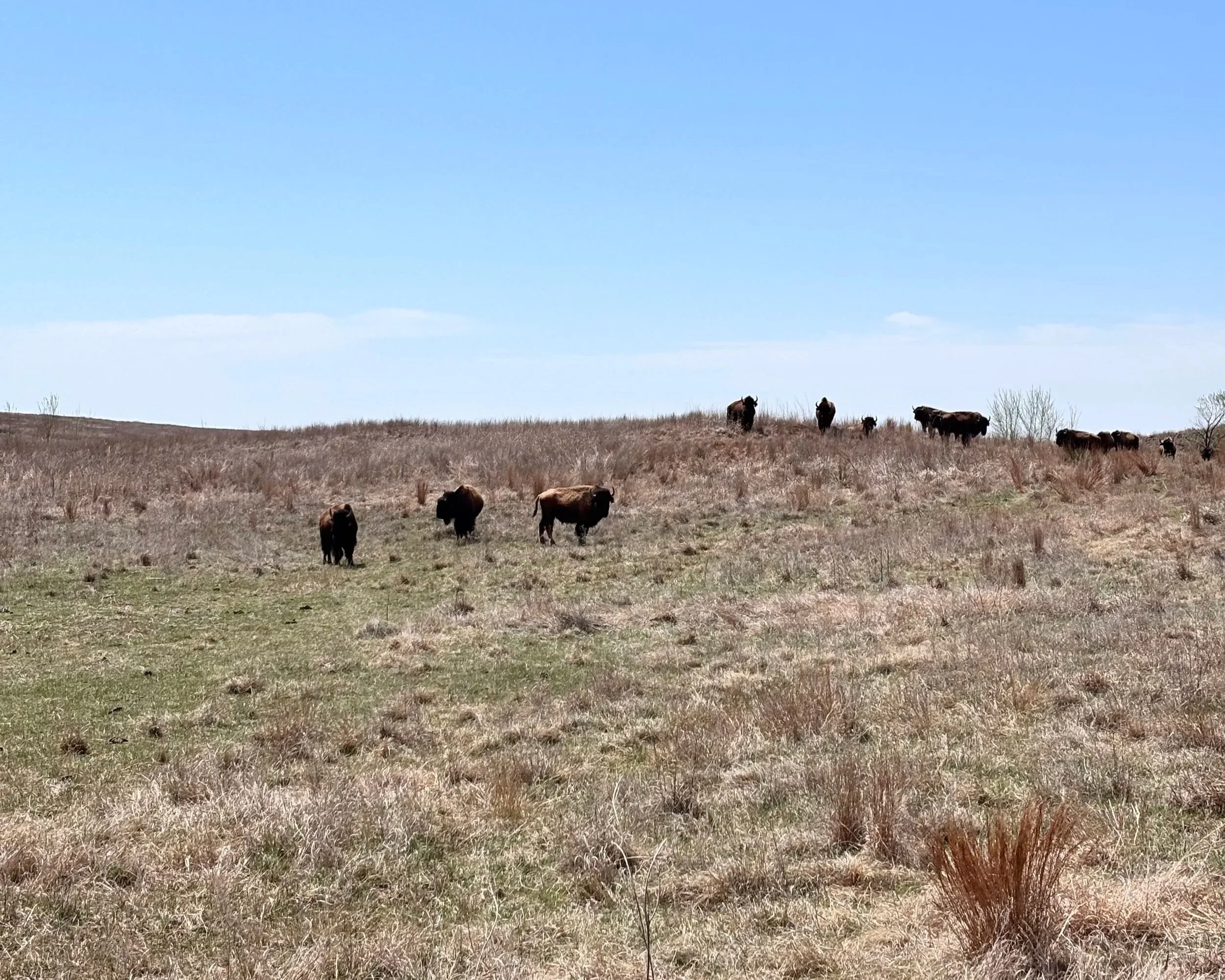
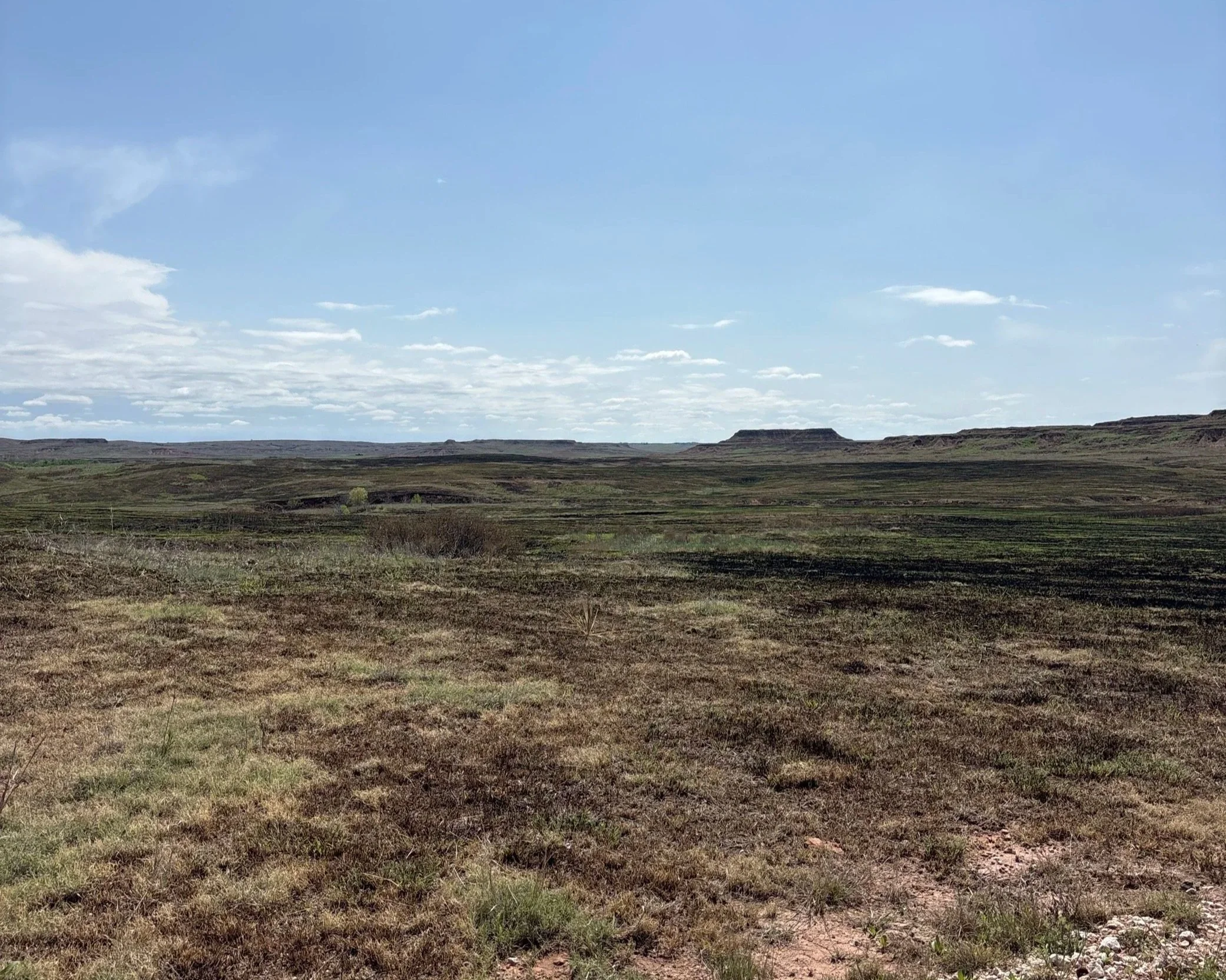
As a nonnative to this region of Kansas, I am jealous of the folks who had the opportunity to grow up here. This land holds an inherent value that can be appreciated by anyone who loves the outdoors; especially as the Gypsum Hills is one of the last remaining intact grasslands cores in Kansas. Grasslands used to be one of the largest land types in the United States, occupying the Great Plains, parts of the Midwest, and even areas west of the Rockies. The images of rolling plains with grass as far as the eye can see, unimpeded by any vertical obstructions, were painted into my mind as a young boy growing up near Tulsa, Oklahoma. Many of us were taught about the Great Plains and the draw of its vastness to the settlers of early America. This unique landscape was like a magnet to the curious mind. Unfortunately, for many people today, the chance to see such a view is just as unattainable as the opportunity to see the great herds of buffalo that once roamed these settings. However, similarly to how you can see smaller herds of buffalo in places where ranchers and conservationists have worked hard to keep them, you can see the remnants of intact grasslands in places where other ranchers and conservationists have worked to conserve this incredible biome.
Grasslands are not an easy thing to maintain. As a boy and into my teen years, much of my summer was spent being ‘the weed-eater guy’ on a lawn crew. I hated being in suburbs, but it helped me realize that the land is always changing. Anytime a landscape appears to be constant, there is an effort being made by someone to keep it that way. This is especially apparent in today’s day and age where we are faced with foreign species being introduced to our lands every year, changing the dynamic in which ecosystems function.
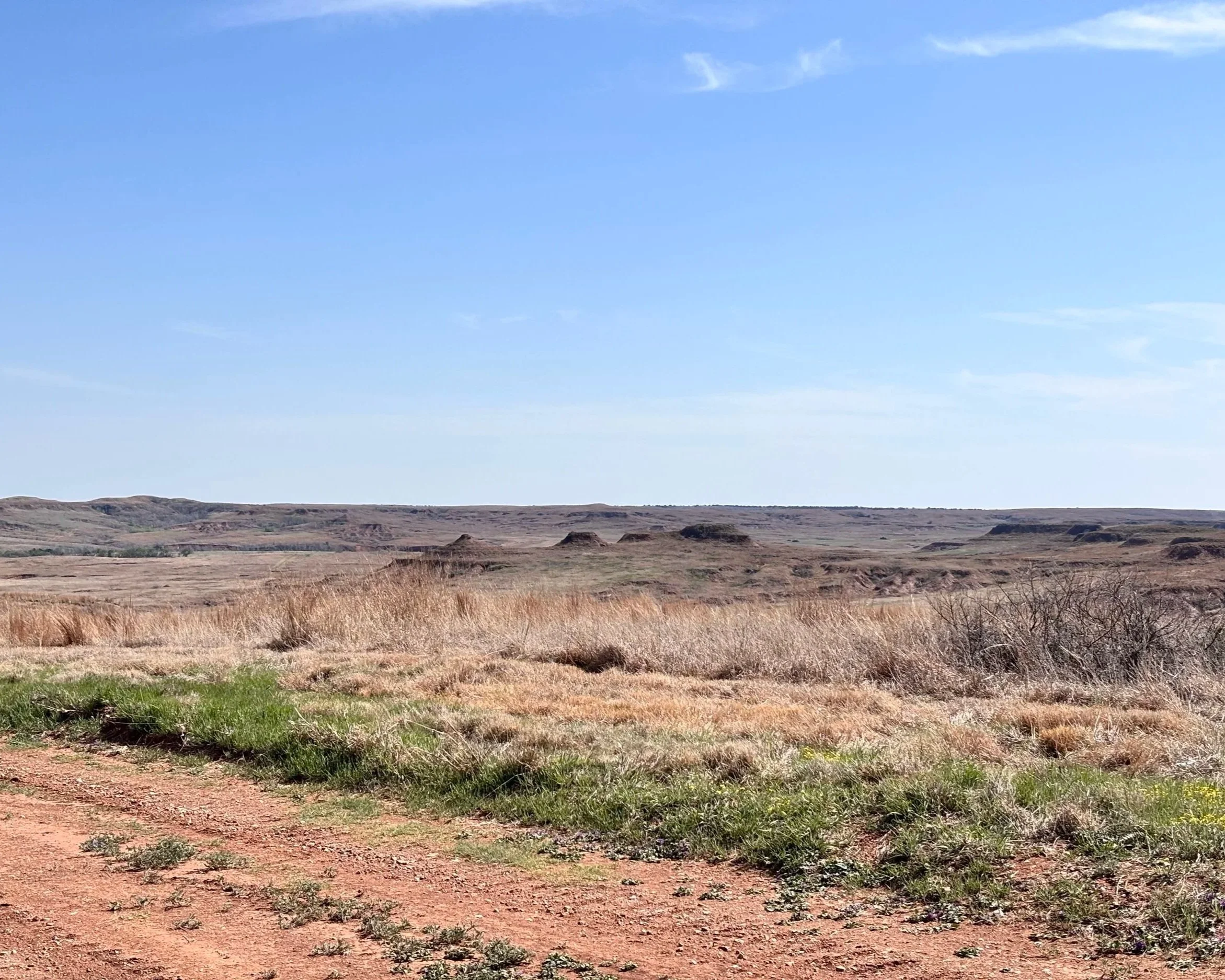
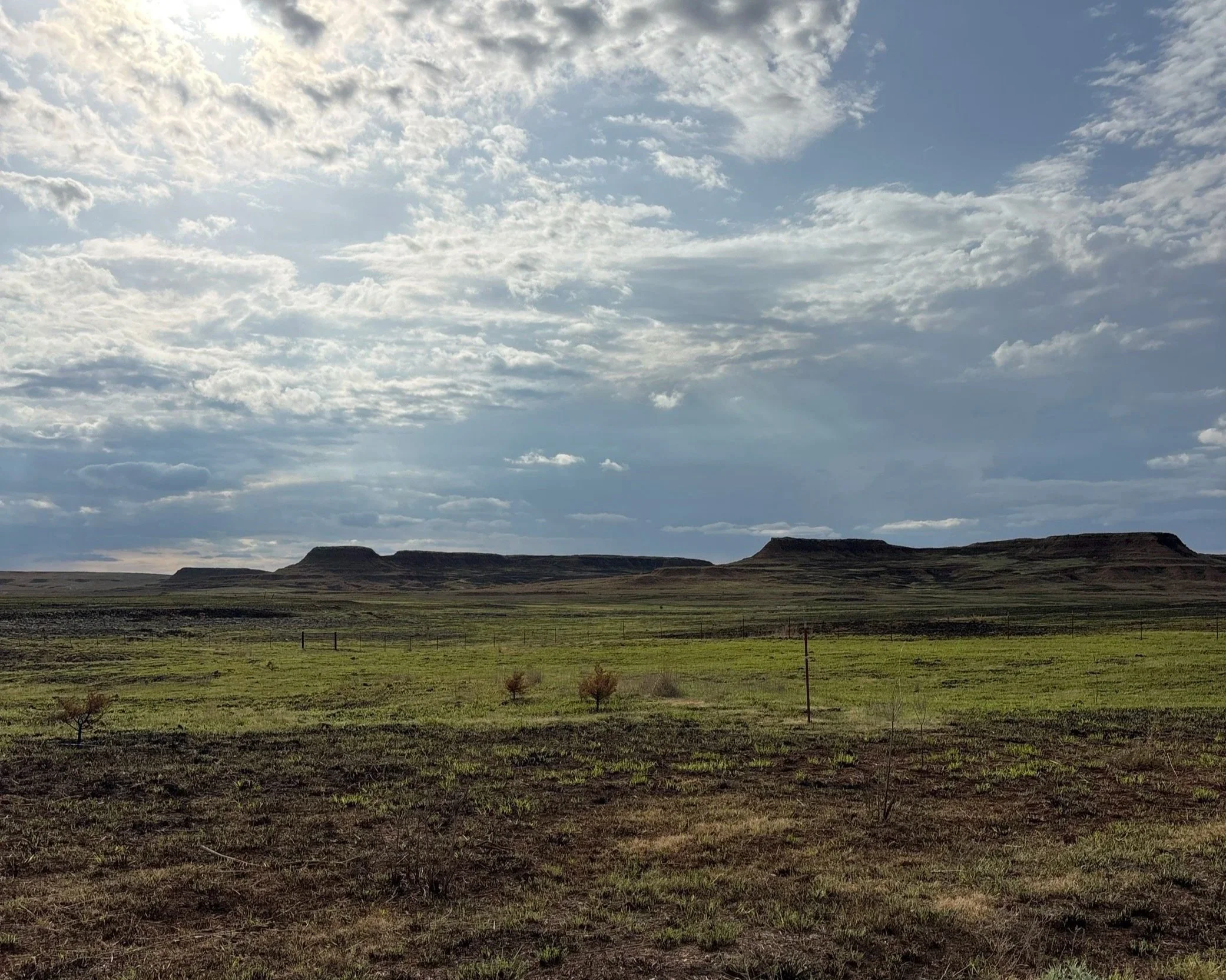
In the case of our grasslands, they were originally managed with one tool by the native Americans: fire. This simple, effective, and cheap tool allowed them to manage millions of acres for prime hunting grounds. Many tribes participated in this management practice and applied it to the landscape over the course of thousands of years. Today, this tool is much harder to wield and can result in catastrophic damage to large areas if not properly applied. Historically, when the tribes lit the plains ablaze, they waited for the wind to blow in a favorable direction and let her rip. Burning millions of acres annually, the Great Plains may have never existed without the tribes managing for the lush grasslands. The burns were used so that the tribes could more easily hunt buffalo, the green regrowth after a spring burn is very attractive to many of North America’s herbivores and cattle too. But as a side effect of their management strategies, the plains were made into a place that most tree species struggle to inhabit and therefore the grass and forb species dominated the landscape. Consequently, after thousands of years of this repeated process you end up with a large swath of land that is uniquely sculpted from the flames that have burned acrost it. With rich soil and many favorable plants, cattle flourish within the grasslands of the Great Plains.
As more people are becoming increasingly aware of the disappearance of grasslands, it begs the question of why the grasslands are shrinking into nonexistence. In the past, most grasslands were lost due to the need for agriculture to feed a growing nation. This is still a top contributor to grassland loss. However, the biggest contributor to the loss of grasslands today is from woody encroachment. Simply put, trees are growing in areas where they had not before. This is a problem for our ranchers, cattlemen, and cowboys alike as it poses a direct threat to their livelihood. When a person is in the business of growing cattle, it is not a good thing when something takes away what your cattle eat. That is exactly what trees do when they invade grasslands, they take food right from the cow’s mouth. Trees take a very sly approach to invading grasslands, given that they grow so slowly. They are usually first seen on the edge of a grassland field, growing from where a bird may have perched and dropped the seed or where a vehicle drove past and some seeds happen to fall off. Then as the years roll by, one or two more may show up from the same happenchance occurrence and at that point, a breeding population begins to sprinkle the grassland with tree seeds from every year then on.
Folks will ask: how do we fix the problem? Thankfully, there are many people who have made it their profession to address these issues and propose solutions, as well as groups of professionals who can teach land managers and producers who want to make a difference. I fall into the latter category and cover the whole region of the Gypsum Hills in Kansas. If you are interested in learning how you can conserve the grasslands on your property, contact me at (620) 352-1597 and I can provide you with free technical assistance.