
Voluntary Conservation
By Gibbon Simmons, Conservation Delivery Specialist, KS
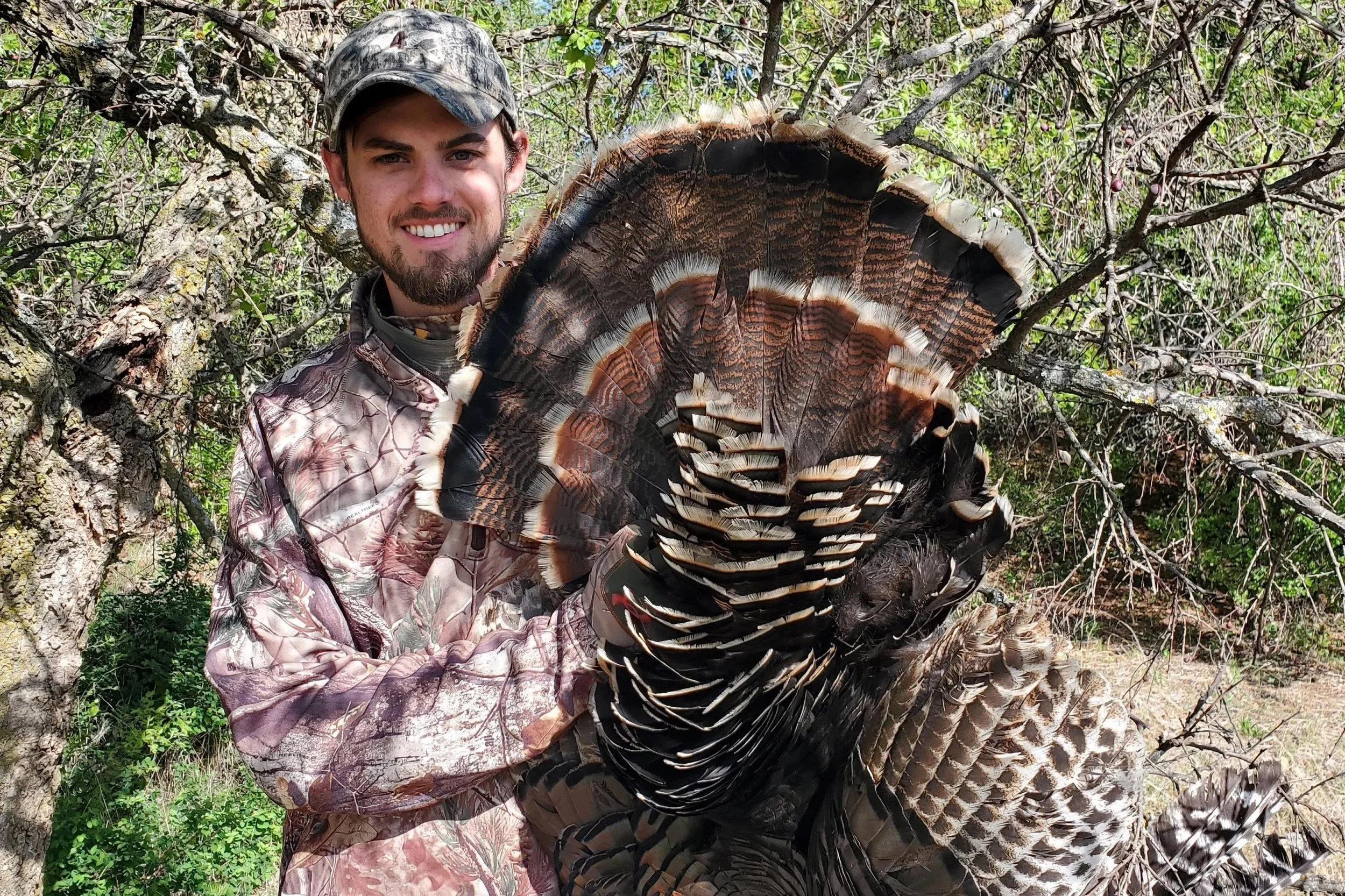
The thing about voluntary conservation is that somebody has to volunteer to do it. I’ve already lost a number of readers just by writing that word, volunteer. One thing all volunteers have in common is conviction. Think of some folks you know who have volunteered for years. Have you ever asked them, “What motivates you to keep volunteering?” More than likely the answer will be about their belief in what they’re doing, rather than what’s in it for them. It’s folks like these, steady and committed, that make a lasting difference in our communities. How often do you meet people of conviction?
Pheasants Forever, the “habitat organization”, is proud to work with folks willing to volunteer for our communities and wildlife through grassland conservation. Some readers may be wondering, “What’s so important about grasslands? What is grassland conservation? Who are the volunteers?” Great questions.
Did you know that grass produces oxygen by photosynthesis? The oxygen in the air we breathe may have come from the grasslands. Do you eat beef? We couldn’t enjoy a burger without grass. Do you prefer clean drinking water? Grasslands function as natural filters, cleaning our water. I would be remiss if I didn’t mention the habitat aspect. Upland game birds suffer heavily without quality grassland habitat. It’s easy to forget our connections to grasslands, but they serve our most basic needs. If we’re honest, we take grassland services for granted as if they’re guaranteed forever. However, the Great Plains grasslands are facing a serious threat. The transition of grasslands to landscapes dominated by woody plants, often called woody encroachment, is driving extraordinary loss of these and other services. Set on a course bound for collapse, Kansas grasslands will continue to disappear unless we do something.
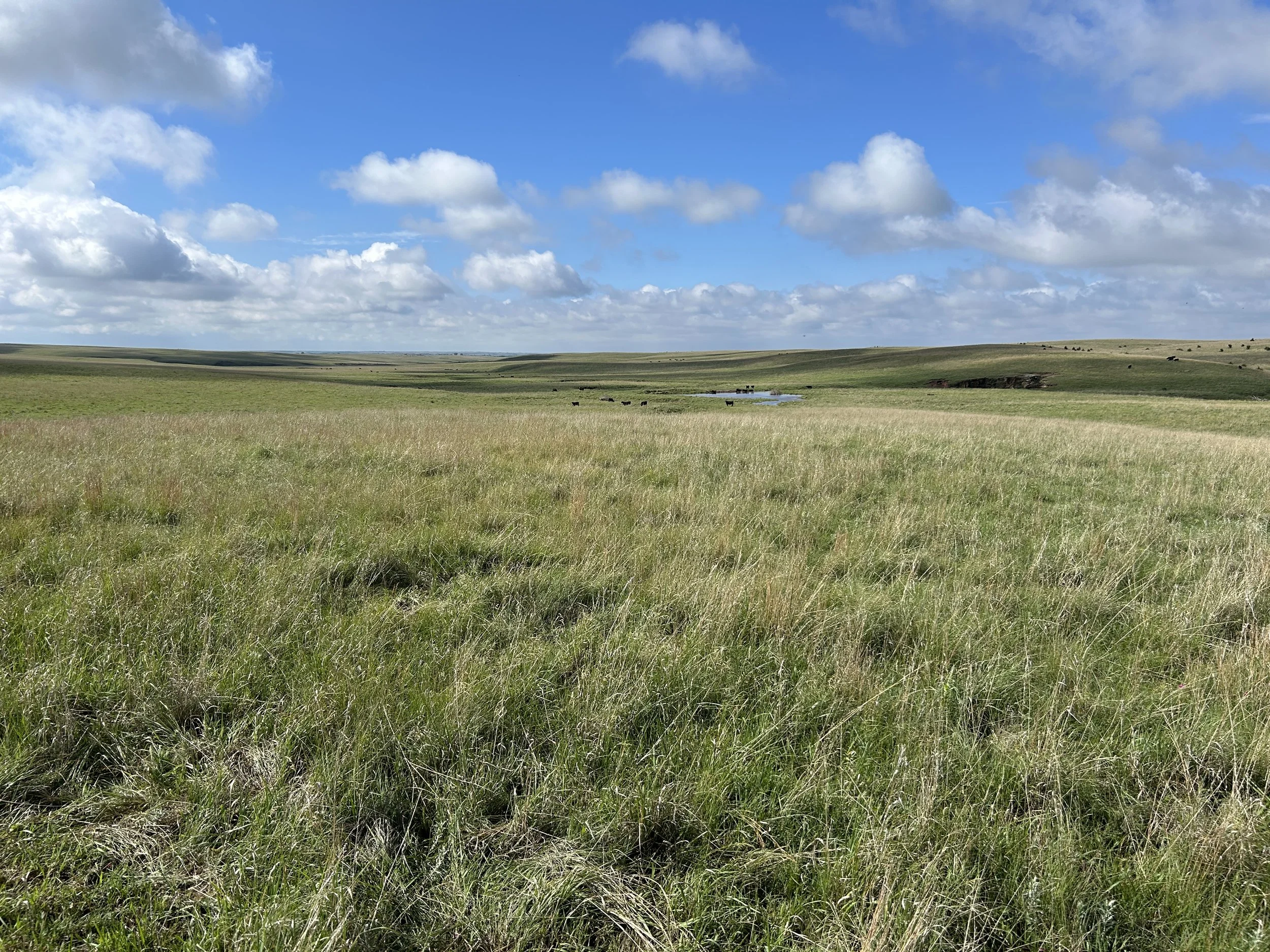
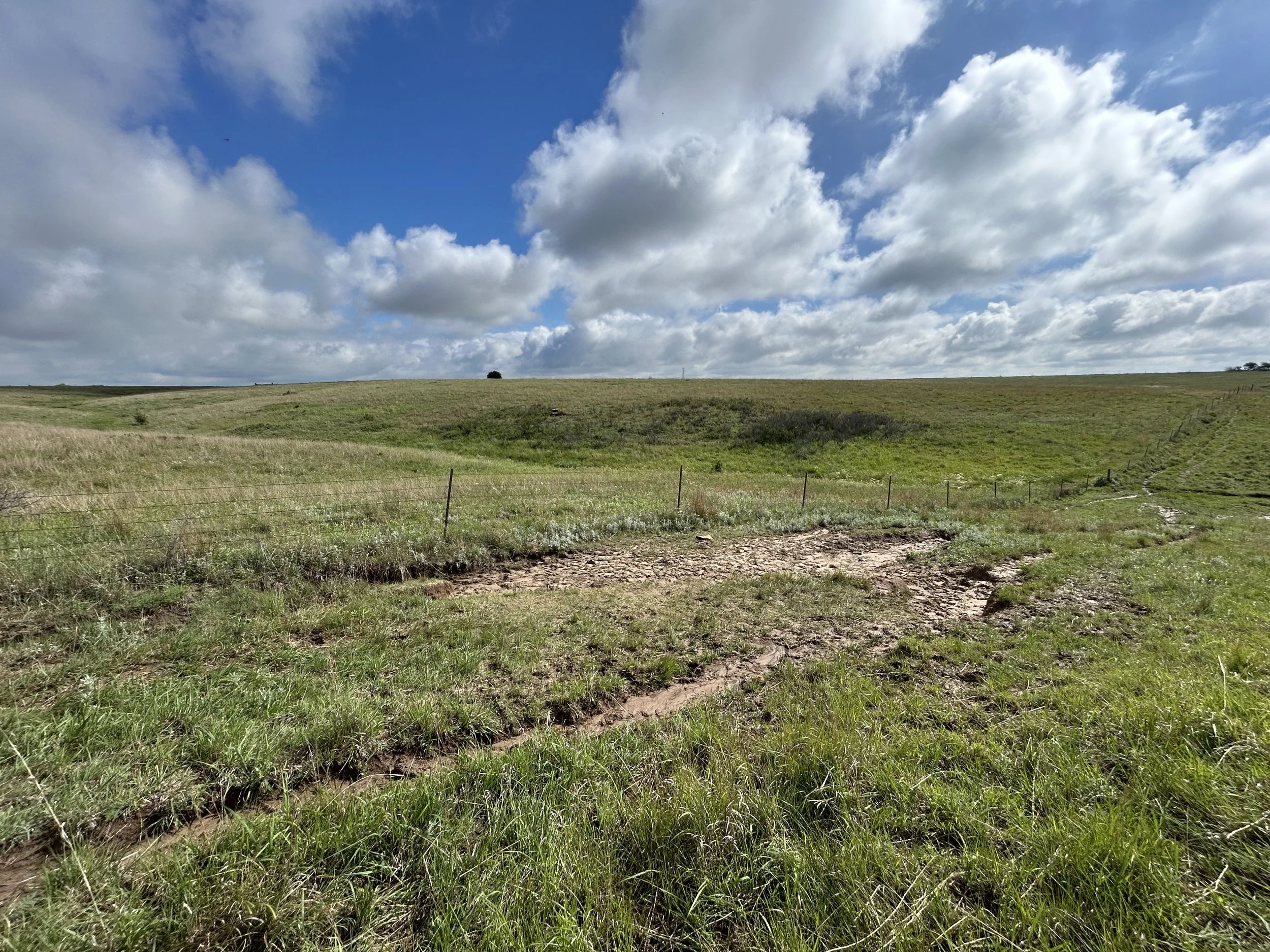
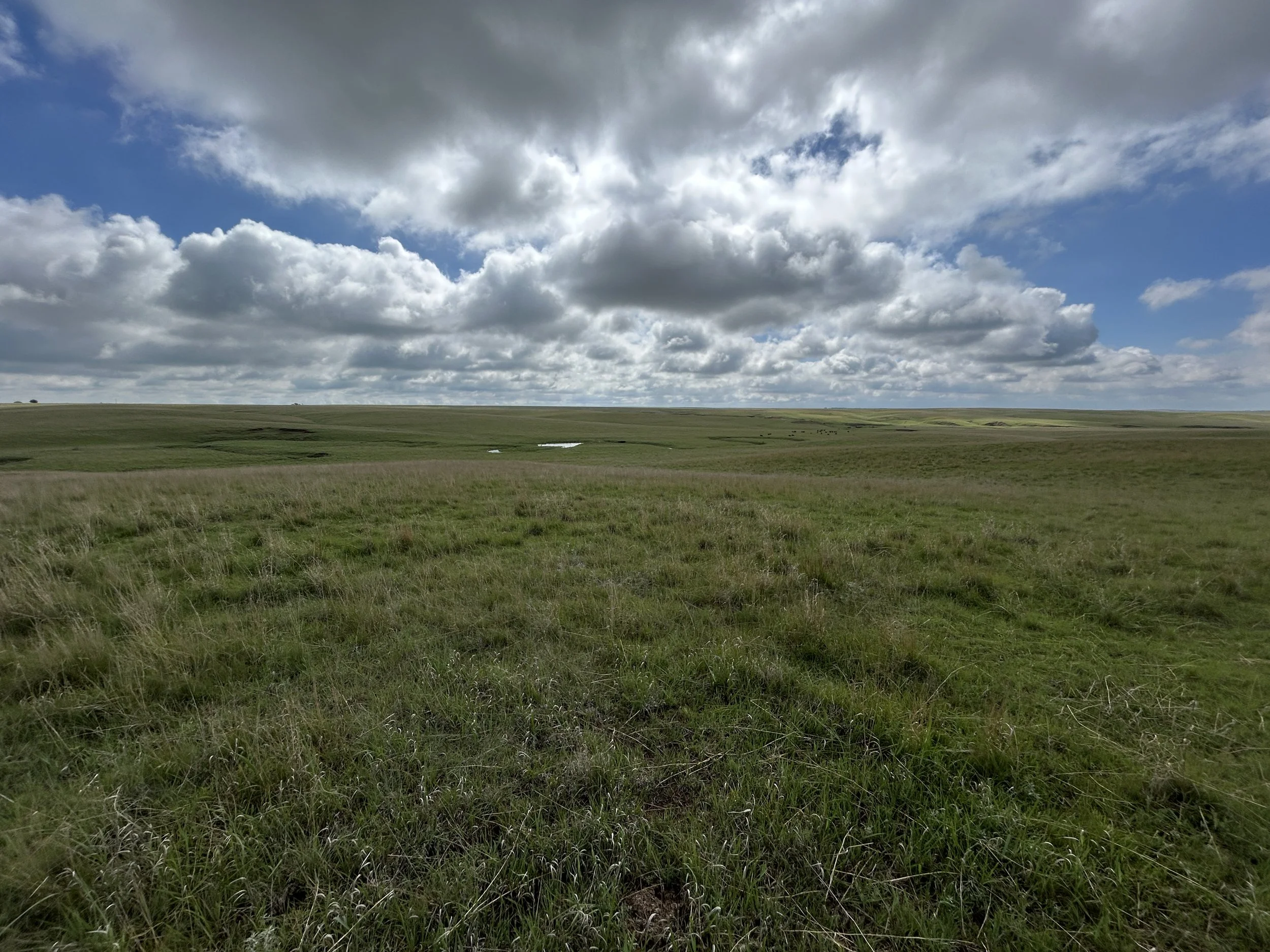
What is grassland conservation? A grassland is a treeless landscape dominated by an herbaceous plant community (i.e. grasses and wildflowers). Think of an ocean of grass and not a tree in site. What is conservation? This English word has Latin roots; servare meaning to guard, and con meaning together. “Conservation means the wise use of the earth and its resources for the lasting good of men” (Pinchot 505). To sum it up, grassland conservation is guarding our treeless landscapes – together – for the lasting good.
That together part is the hinge on which it succeeds or fails. “The scale of conservation impact is tied to the scale of collaboration” (Fogarty et al. 36). The Loess Canyons Experimental Landscape: Science Report tells the true story of a Nebraska community succeeding on an incredible scale. A partnership that started with only a few has now grown to near 100 members willing to volunteer themselves, their time, and their stuff (University of Nebraska 4). This community is the first to prove that we can reverse grassland transition through voluntary conservation (University of Nebraska 11). If this community in Nebraska can do it, then surely our Kansas communities can too. What is holding us back from working together? In other words, what stops neighbors from helping neighbors?
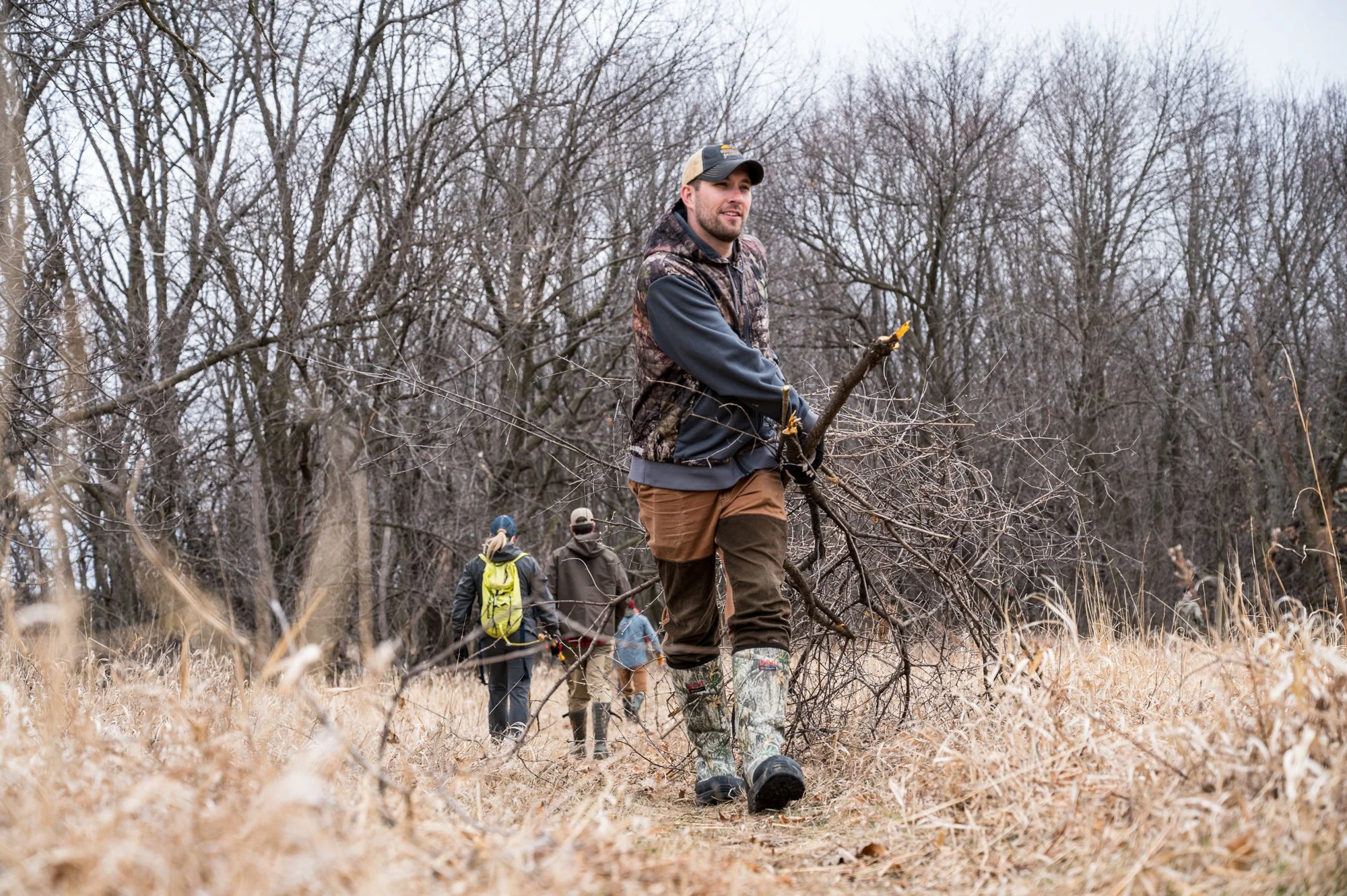
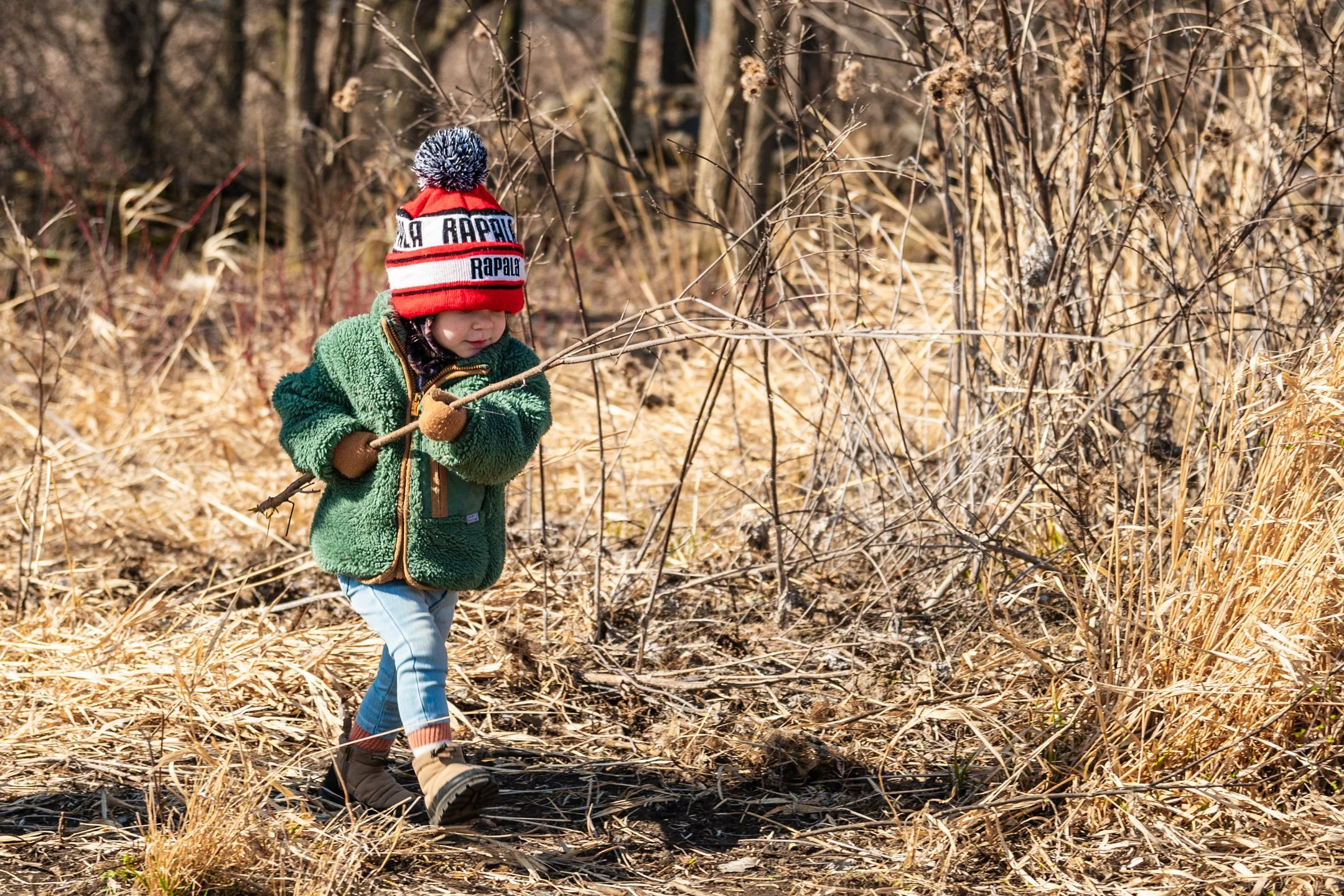
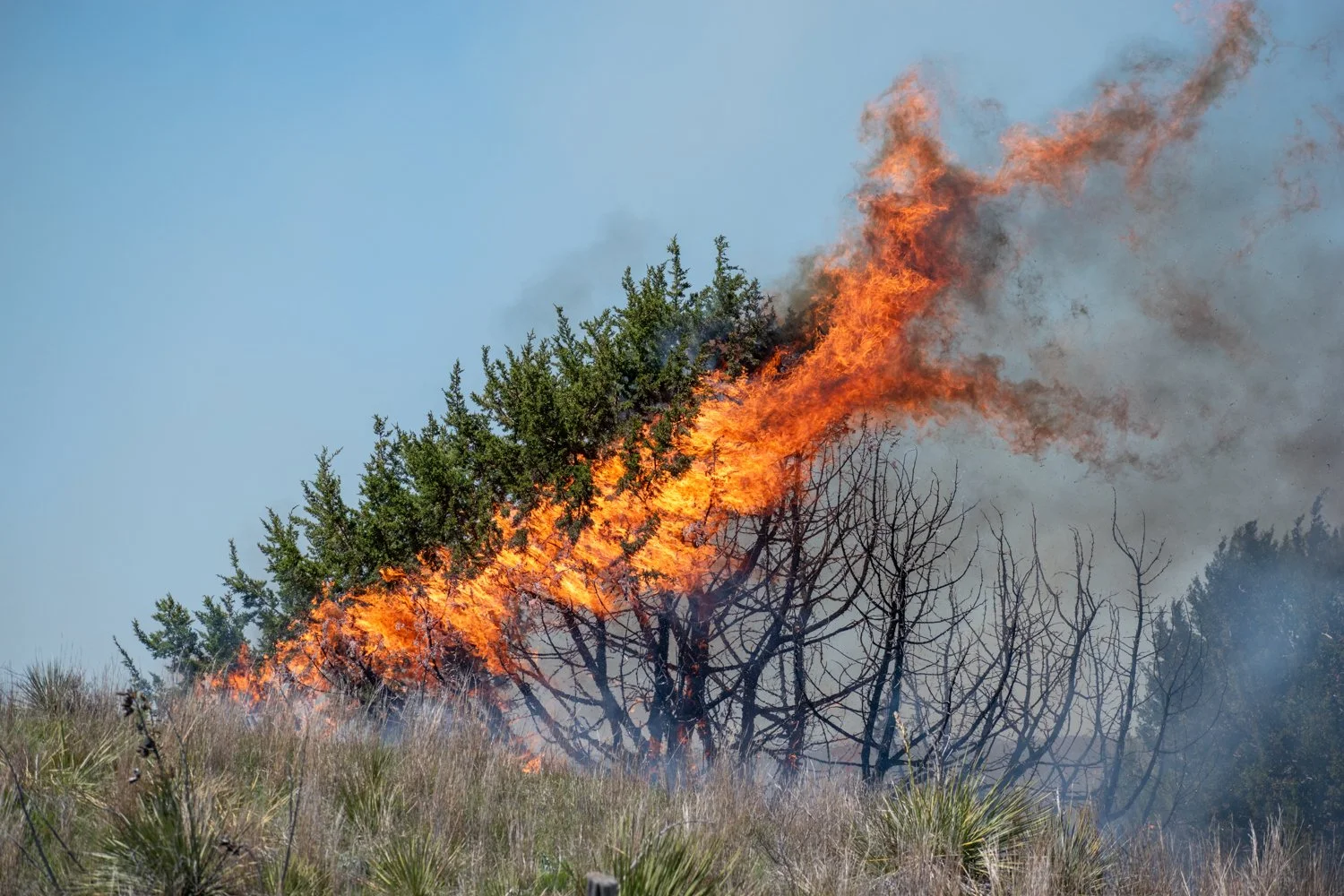
It’s not that we’re blind to or disagree on the ecological problem, that is, woody encroachment. Nor do we disagree that something must be done. But when it comes to who will do something, then we get stuck. The truest problem is that none of us want to volunteer our lives. Each one of us takes a version of life that appears good in our own eyes even if that version leads to harm. A better life is found in laying that life down for friends and neighbors. Our nation’s founding fathers understood this and chose to embrace a volunteer spirit by pledging their lives to each other. The big shift for the Nebraska community was when a trusted neighbor became the leader of the Loess Canyons Rangeland Alliance (University of Nebraska 4). Without a doubt, Kansas is home to tight knit communities. But who among our leaders will volunteer to guard our grasslands and invite us to join them?
Works Cited
Fogarty, Dillon T., et al. Reducing Woody Encroachment in Grasslands: A Pocket Guide for Planning & Design. Great Plains Grasslands Extension Partnership, 2023, p. 36.
Pinchot, Gifford. Breaking New Ground. 1945. University of Washington Press, 1972, p. 505.
University of Nebraska. Loess Canyons Experimental Landscape: Science Report. University of Nebraska-Lincoln, 2021, pp. 4-23.